


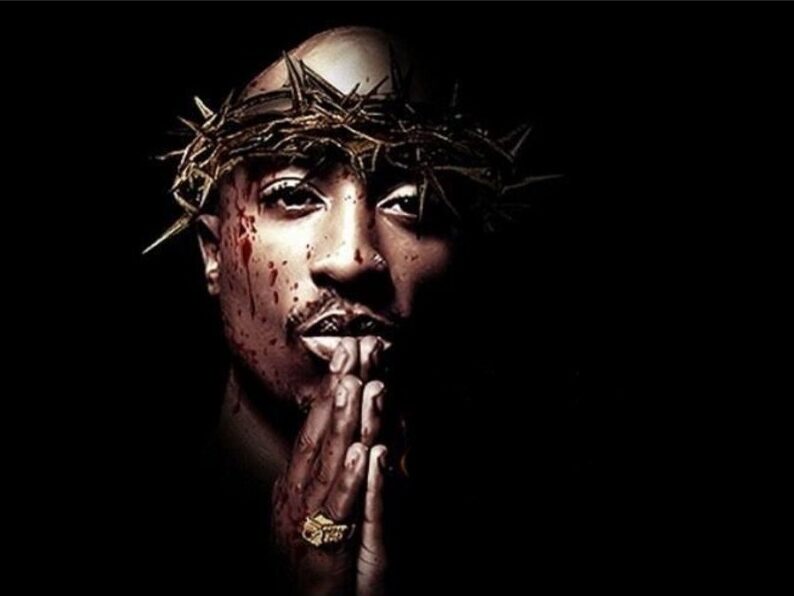
Few names in hip-hop carry the cultural weight of 2Pac, and few artists were as closely connected to the foundations of his Thug Life era as Mopreme Shakur. Their history goes beyond music: the two were stepbrothers, collaborators and members of a movement that helped define one of the most important periods in West Coast hip-hop.
That history gives “I Can’t Sleep” [Special Version] by 2Pac feat. Mopreme Shakur / Thug Life a significance that reaches far beyond a single track. It connects listeners directly to the sound, energy and legacy surrounding Tupac Shakur, Mopreme and the original Thug Life movement.
Who Is Mopreme Shakur?
Born Maurice Harding on August 16, 1967, Mopreme Shakur has been part of hip-hop history since well before the height of the 2Pac phenomenon.
Throughout his career, he has also been known as Mocedes, Wycked, Komani and Mopreme Shakur. He made an early appearance on Tony! Toni! Toné!’s “Feels Good” and later appeared alongside Tupac on “Papa’z Song” from Strictly 4 My N.I.G.G.A.Z…
But Mopreme’s most important place in rap history is closely connected with Thug Life. In 1993, 2Pac, Mopreme Shakur, Big Syke, Macadoshis and Rated R came together as Thug Life. The group released its only studio album, Thug Life: Volume 1, in 1994.
The album became an essential part of the larger Tupac story and helped establish an identity that would continue to follow Pac throughout his career. Mopreme was not simply standing beside Tupac during this period—he was one of the artists and writers helping build the music itself.
Mopreme was also connected to the original formation of Outlawz, using the name Komani, before eventually separating from the group. His career therefore occupies a unique position in hip-hop history: Mopreme was present during several of the formative stages that shaped Tupac’s musical world, from their early collaborations through Thug Life and the beginnings of the Outlawz.
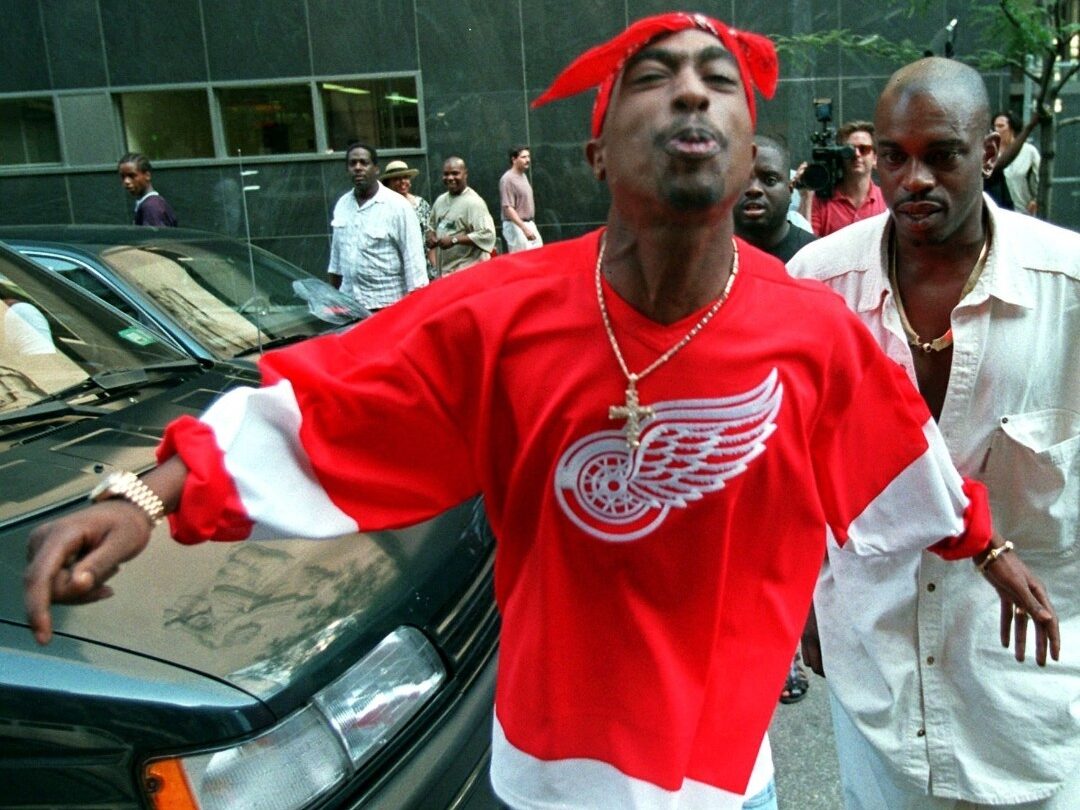
2Pac: An Artist Who Changed Hip-Hop
Tupac Amaru Shakur, known around the world as 2Pac and later Makaveli, remains one of the most influential artists in hip-hop history.
Born in New York City on June 16, 1971, Tupac grew up in a politically active family. His mother, Afeni Shakur, was a member of the Black Panther Party, and social inequality, racism, poverty, violence and survival would later become recurring themes throughout his music. After relocating to the San Francisco Bay Area, Tupac began building the career that would transform him into an international cultural figure.
His 1991 debut album, 2Pacalypse Now, introduced an artist willing to confront social and political realities directly. Albums including Strictly 4 My N.I.G.G.A.Z… and Me Against the World expanded both his audience and his reputation as a songwriter capable of moving between anger, vulnerability, social commentary and deeply personal storytelling.
Then came 1996’s All Eyez on Me. The double album became one of the defining releases of Tupac’s career and produced classics including “California Love” and “How Do U Want It.” Its enormous commercial success helped cement 2Pac as one of the biggest artists of his generation.
At the same time, Tupac was more than a recording artist. His acting career included memorable roles in Juice, Poetic Justice, Above the Rim, Bullet, Gridlock’d and Gang Related, demonstrating a screen presence that suggested an equally significant future in film.
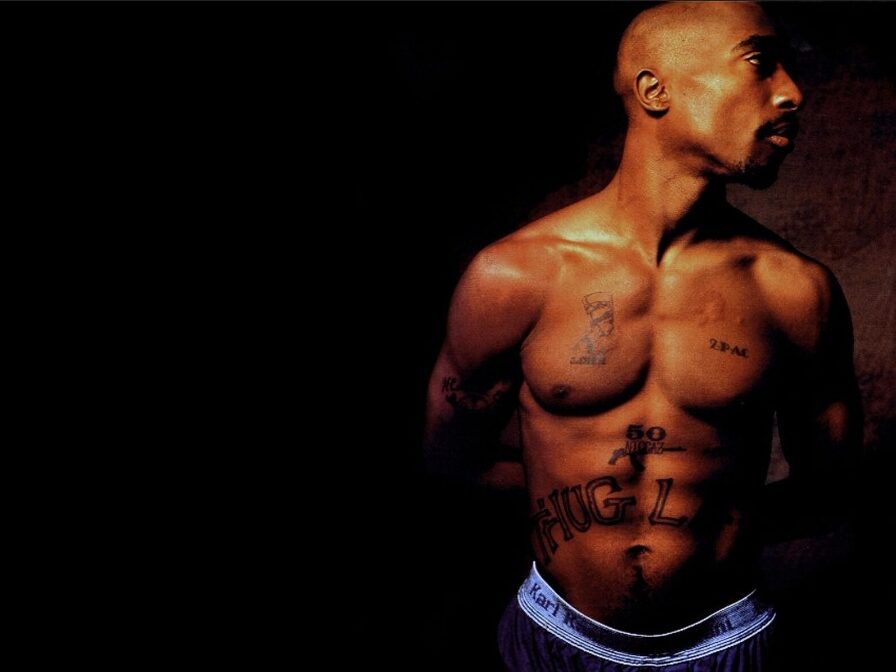
Tupac, Mopreme and Thug Life
The connection between 2Pac and Mopreme Shakur is an important part of the Thug Life story. Thug Life was not simply another rap group attached to Tupac’s career. The name became associated with a broader philosophy through which Pac addressed the conditions surrounding poverty, violence and marginalized communities.
The group’s 1994 album Thug Life: Volume 1 captured a raw moment in West Coast hip-hop, bringing together Tupac, Mopreme, Big Syke, Macadoshis and Rated R. Although the group itself was short-lived, its influence continued.
Elements of the Thug Life identity carried into Tupac’s later music, while members of his circle remained connected to projects associated with the Outlawz, Death Row Records and the wider legacy that grew around Pac. For Mopreme, that history makes every connection to Tupac’s catalog particularly meaningful. He was not an artist brought into the story years later. He was there.
The Makaveli Era and Tupac’s Final Years
Tupac’s final years were extraordinarily productive and turbulent. After serving eight months in prison in 1995 while his sexual-abuse conviction was under appeal, he signed with Death Row Records and entered the most commercially explosive period of his career.
The East Coast–West Coast rivalry intensified around him, including his highly publicized conflict with former friend The Notorious B.I.G. On September 7, 1996, Tupac was shot multiple times while riding in a car in Las Vegas. He died from his injuries six days later, on September 13, at only 25 years old.
Three decades later, the criminal case surrounding his death reached a historic development. On August 31, 2026, Duane “Keffe D” Davis was convicted of first-degree murder for orchestrating the shooting. Davis was not accused of personally firing the fatal shots, and the identity of the gunman has never been conclusively established in court. Tupac’s death, however, did not end his musical story.
A Legacy That Continued After 1996
Only weeks after Tupac’s death, The Don Killuminati: The 7 Day Theory was released under his Makaveli alias. The album became one of the most discussed releases in his catalog and contributed to the mythology surrounding the final period of his life.
Numerous posthumous projects followed, including Greatest Hits, which became one of hip-hop’s Diamond-certified albums. Over the following decades, Tupac’s importance expanded far beyond record sales.
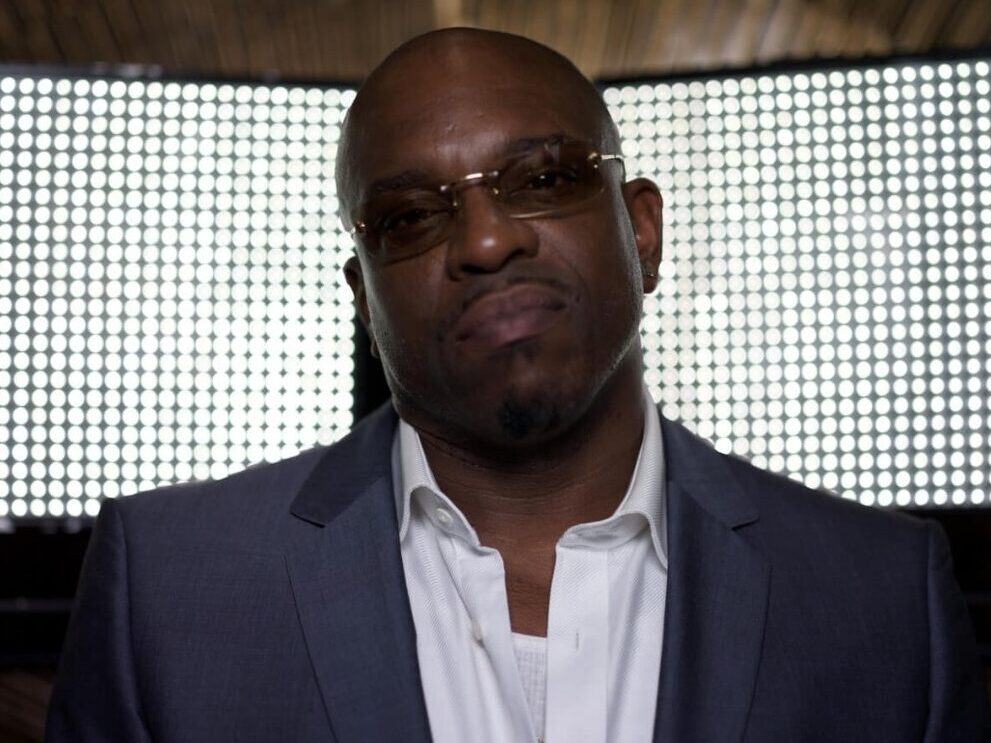
He was inducted into the Rock and Roll Hall of Fame in 2017, received a posthumous star on the Hollywood Walk of Fame in 2023, and his work has continued to inspire musicians, writers, academics and new generations of hip-hop listeners.
His catalog remains powerful because it contains contradictions that made the artist himself compelling: political anger and tenderness, confidence and vulnerability, aggression and introspection, street narratives and poetry.
“I Can’t Sleep” and the Shakur Legacy
That is the history surrounding “I Can’t Sleep” [Special Version] featuring Mopreme Shakur. For longtime 2Pac listeners, hearing the names 2Pac, Mopreme Shakur and Thug Life together immediately connects the track to an important chapter in hip-hop history.
For newer listeners, it offers another entry point into the musical relationship between Tupac and one of the people who shared both his family history and his creative world. Decades after the original Thug Life era, the music continues to travel. The generations change. Hip-hop changes. The industry changes.
But the names 2Pac, Makaveli, Mopreme Shakur, Thug Life and Outlawz remain embedded in the culture.